

Why Choose Us
Endurance Energy Equipment Co., Ltd is a member of Endurance Industry Corporation, a leading supplier of technology and services in multiple industries including oil & gas equipment, environmental equipment, special equipment, and automobile parts. The company has a history that can be traced back to 1905, when it was established as China's first measurement factory. We specialize in producing Hydrogen Refuelling Station related products.
Tailoring Process Flows
Meticulous planning is the key to success. Our engineering experts are world leaders in the development of bespoke plants and process technologies. We team up with our customers, working closely with them to engineer the optimum process -no matter how complex -based on state-of-the-art proprietary and proven licensed technologies.
Construction And Commissioning
Constructing an industrial plant is a mammoth, multi-step undertaking spanning the entire technology, engineering, procurement and construction value chain. Through our assembly monitoring centers, assembly partners and global network of fabrication yards, we ensure that all resources and experts are in the right place, at the right time. We are also the partner of choice when it comes to the final, all-important step in the process -commissioning. Our commissioning engineers make sure that your multi-million plant is fully ready for operations before they efficiently and smoothly hand it over to you.
Global Procurement Network For Cost And Reliability Gains
Our logistics teams transport modules weighing several thousand metric tons to the most remote corners of the globe. But we also ship smaller, single components, always choosing the fastest route to get urgent deliveries on site, on time. No matter what you need, we make the impossible possible -with the backing of our dedicated supplier approval concept coupled with a reliable, scalable and transparent request and order process. This enables us to offer you outstanding quality, on-time deliveries and a host of value-add services at great prices.
Rich Experience
The market share of our CNG dispensers and LNG dispensers has stayed on top in China since 2003 with over 24,000 sets metering units selling record, and has been installed globally including the Middle East, Pakistan, Bangladesh, Thailand, Indonesia, Nigeria, France, Uzbekistan, Turkey, Russia etc.

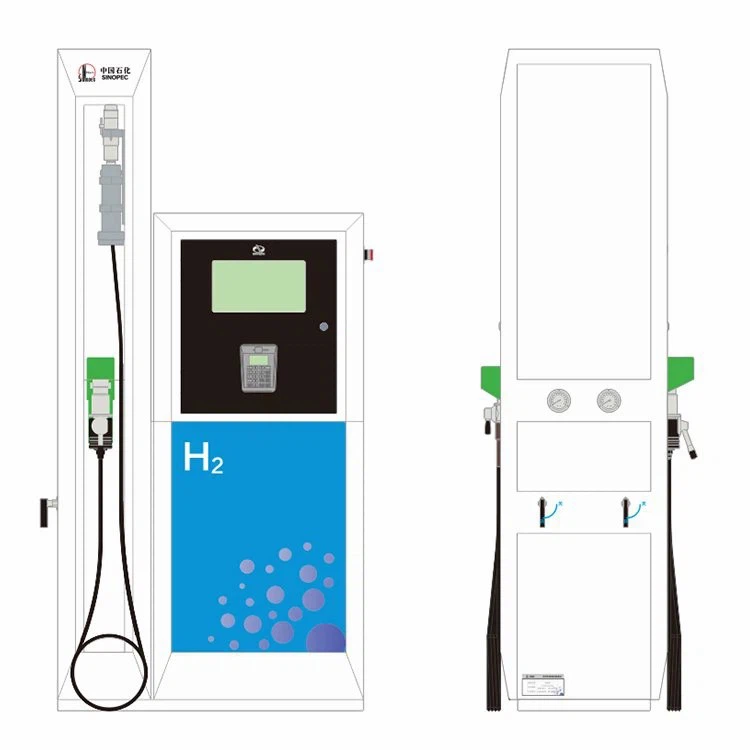
Single Hose Hydrogen Dispenser
Single Hose Hydrogen Dispenser is a gas filling equipment used for metering of hydrogen in hydrogen stations.

This unit removed water from pressurized gas through a molecular sieve, ensure that the dew point of product gas to gas standards used in CNG vehicle (less than -60℃).

CNG Storage Cascade Stores CNG at different pressures in groups. After high pressure vaporization, water bath vaporizer, CNG into the priority panel, through automatic distribution, stored in three groups of high, medium and low pressure CNG cylinders.

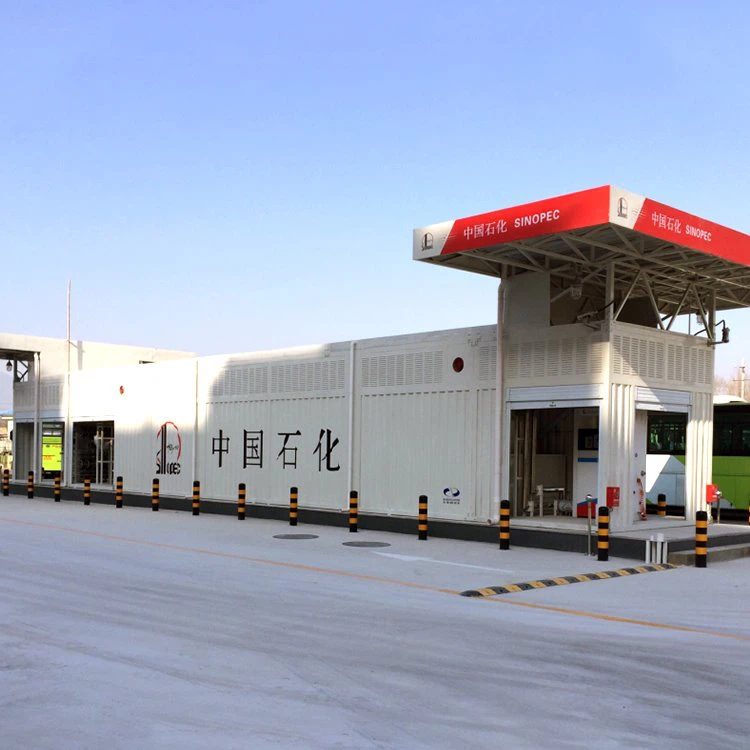
It is a highly integrated CNG filling station. The dipenser, compressor, gas storage cylinder and explosion-proof control cabinet are integrated in one container. The refueling station can be used directly without additional installation.

LCNG pump skid is a device that converts LNG (liquefied natural gas) into CNG (compressed natural gas) after pressurizing the LNG in the low-temperature storage tank in the filling station (the temperature of LNG in the storage tank is generally between -162°C and -125°C, and the pressure is between 0.1 and 1.2MPa) to the maximum pressure of 25MPa.

LNG pump skid is integrated with cryogenic pump, vacuum pump pool, vaporizer, vacuum pipeline and valves. It has functions such as unloading, regulating and refueling.

Containerized LNG station is the end equipment for filling LNG for the LNG vehicles. Containerized LNG station integrates storage tank, submersible pump, vaporizer, and LNG dispenser in to a containerized skid with metal cofferdam. Except the control system and instrument system which can be installed outside the skid. This station can be save site installation time, cost as well as local works.

Hydraulic piston compressors are built in areas where there are no natural gas pipelines. CNG mother station pressurized natural gas storage through the compressor, and then CNG trailer will transport 25Mpa compressed natural gas to the sub station for CNG car refueling.

The CNG Priority Panel is mainly composed of sequence valve, high pressure ball valve, check valve, pressure gauge, high pressure joint, high pressure ferrule and high pressure pipeline.
What is Hydrogen Refuelling Station
A hydrogen station is a storage or filling station for hydrogen fuel. The hydrogen is dispensed by weight. There are two filling pressures in common use: H70 or 700 bar, and the older standard H35 or 350 bar. As of 2021, around 550 filling stations were available worldwide. If you want to know the specifications and prices of Hydrogen Refuelling Station, please contact us!
What are Advantages of Hydrogen Refuelling Station
Environmental Friendliness
Hydrogen, as a clean energy source, produces only water vapor upon combustion, eliminating the generation of pollutants. The construction of hydrogenation stations contributes to a reduction in air pollution and greenhouse gas emissions, promoting environmental protection.
High Energy Efficiency
Hydrogen fuel cell vehicles exhibit superior energy efficiency compared to traditional fuel vehicles. This results in reduced energy consumption and lower greenhouse gas emissions, contributing to sustainable and efficient transportation.
Convenience
Hydrogen refueling stations offer a convenient energy supply method for hydrogen fuel cell vehicles, akin to traditional gas stations. This allows for quick hydrogen injection, enhancing vehicle battery life and promoting the widespread adoption of hydrogen-powered vehicles.
Types of Hydrogen Refuelling Station

Gaseous Hydrogen Stations
Gaseous hydrogen stations store hydrogen gas under high pressure, typically at 350 to 700 bar (5,000 to 10,000 psi). These stations compress the hydrogen, which is then stored in high-pressure tanks before being dispensed to vehicles. Gaseous hydrogen stations are the most common type of hydrogen refueling station.
Liquid Hydrogen Stations
Liquid hydrogen stations store hydrogen in its liquid state at extremely low temperatures (-253°C or -423°F). These stations require more complex equipment and insulation to maintain the hydrogen at such low temperatures, but they offer advantages in terms of storage capacity and refueling speed.

The way a hydrogen station works is very similar to that of a conventional gasoline or diesel service station.
It has a storage place, a compressor, and a pump from which the hydrogen is supplied to vehicles. The renewable hydrogen is generated by using an electrolyzer or through the reforming of natural gas. The production can be carried out at the facility itself where the refueling station is located, which is known as a hydrogen station, or in a different location, which is known as hydroline station. In the case of hydroline stations, the hydrogen can be transported, either through a gas pipeline (called hydrogen pipeline) or by hydrogen bottles by road .
The hydrogen is pumped into the vehicle using a dispenser very similar to the one that is usually found in gas stations, but with some differences adapted to the physical characteristics of hydrogen, which is an extremely volatile gas that's supplied at high pressure. This way, you only have to bring the car close to the pump and hook up the dispenser to refill hydrogen quickly, cleanly, and safely since it's a process that usually takes less than five minutes.
The Key Components of a Hydrogen Refuelling Station
Hydrogen Inlet
Refuelling stations are configured for optimum performance based on the hydrogen inlet pressure. The hydrogen can be produced on site most commonly via electrolysis, delivered to site and fuelled directly from a tube trailer or via on-site storage.
Compression
The hydrogen is then compressed to increase the pressure, and reduce the volume, to enable a greater amount of hydrogen to be stored in the system and an efficient flow of gas for dispensing.
Heat Exchanger (Process Gas Chilling)
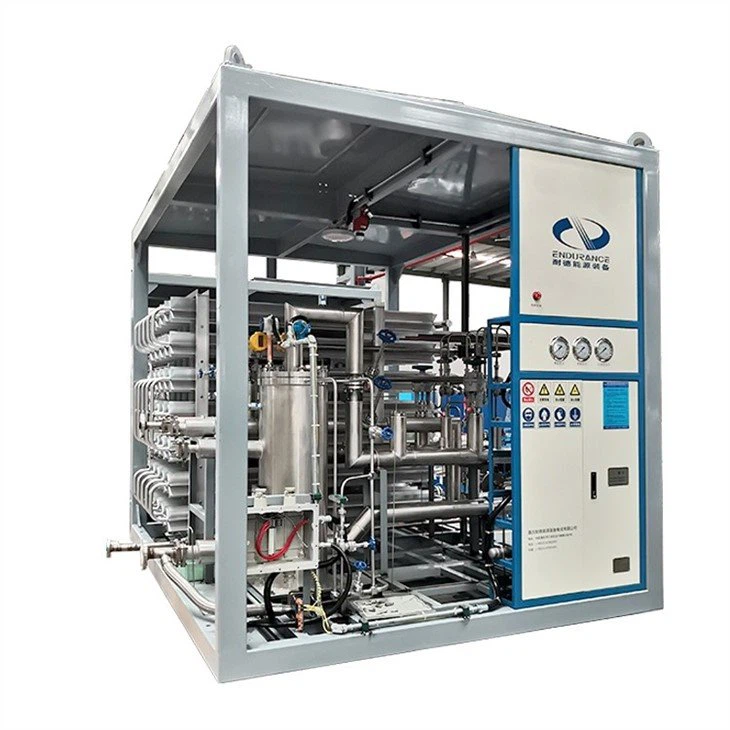
The compressed hydrogen is then passed through a heat exchanger to remove the excess heat from the gas that was generated during the compression process. Specially designed hydrogen-resistant valves and fittings are used to control the highly pressurised hydrogen. These components utilise specific materials that are resistant to hydrogen embrittlement to prevent any cracking.
Hydraulic Power Unit and Controls
The process is powered, monitored and controlled via the electronic control panel in the non-hazardous zone.
Dispensing Chiller System
The hydrogen is then cooled to subzero temperatures for fast and efficient filling to ensure the hydrogen can be dispensed safely and to comply with filling protocols i.e. J2601.
TVent Stacks
A safety feature to vent any escaped hydrogen safely. Hydrogen is lighter than air so dissipates quickly and safely, should an incident occur.
Storage
The high-pressure gas is then stored in the system until required for dispensing at the point of use. The storage is controlled by specially designed valves, fittings and electrical controls designed to regulate pressure and interact with the dispenser and vehicle as needed.
Dispenser
Designed to emulate traditional fuelling methods, the hydrogen is dispensed via a nozzle controlled by a smart valve which regulates the flow rate of the gas to fill the vehicle to the required pressure in accordance with the fuelling protocol.
How to maintain Hydrogen Refuelling Station
Pressure Vessel Inspection and Maintenance
Safety Valve Maintenance
Explosion-Proof Door Maintenance
Pipeline and Valve Maintenance
Electric Equipment Maintenance
Staff Training at Hydrogen Gas Stations
What are the Conditions for Building a Hydrogen Refueling Station?
Land Requirements
Hydrogenation stations necessitate ample land area to accommodate hydrogenation facilities conveniently. The geographical positioning should facilitate easy entry and exit for vehicles.

Infrastructure
Buildings within the hydrogen refueling station must encompass specific areas, including hydrogen storage equipment rooms, hydrogenation lanes, related offices, and lounges. Additionally, these structures should possess resilience against extreme weather conditions.

Equipment Standards
Hydrogen refueling stations demand state-of-the-art hydrogenation and ancillary support equipment to operate efficiently.

Site Selection
Selecting sites for hydrogen refueling stations should prioritize proximity to main roads for easy transportation access, enabling users to conveniently access hydrogen. Simultaneously, maintain a safe distance from residential and commercial areas to mitigate potential hazards from hydrogen leakage on the surrounding environment and people.
Issues to Pay Attention to When Building a Hydrogen Refueling Station
Hydrogenation stations, being high-risk facilities dealing with flammable substances like hydrogen, must strictly adhere to safety specifications. The construction of a hydrogenation station necessitates comprehensive safety measures, including the incorporation of fire equipment and alarm systems.
During the design and construction phases, efforts should be made to minimize the environmental impact. Measures such as noise reduction and shock absorption should be implemented to mitigate the effects of noise and vibration on the surrounding environment.
Balancing costs and income is crucial in the construction of hydrogenation stations. During the design and construction processes, optimization of design schemes and construction methods should be prioritized to minimize costs and enhance overall economic benefits.
Adherence to relevant laws, regulations, and standards is paramount in the design and construction of hydrogen refueling stations. Compliance with local fire safety regulations, environmental protection guidelines, and other applicable standards ensures the legality and conformity of the construction process.
To ensure the long-term stable operation of hydrogenation stations, careful consideration must be given to equipment maintenance. Optimal equipment layout and design during the construction phase enhance the ease of maintenance and contribute to prolonged equipment functionality.
Certifications


Our Factory

Frequently Asked Questions
Hot Tags: Hydrogen Refuelling Dispenser, China, suppliers, manufacturers, factory, made in China, 70MPa Hydrogen Dispenser, Fuel Dispensers, Hydrogen Dispenser for Commercial Vehicles, Hydrogen Dispenser for FCEV, Hydrogen Dispenser for Fuel Cell Electric Vehicles, Hydrogen Fuel Dispenser


